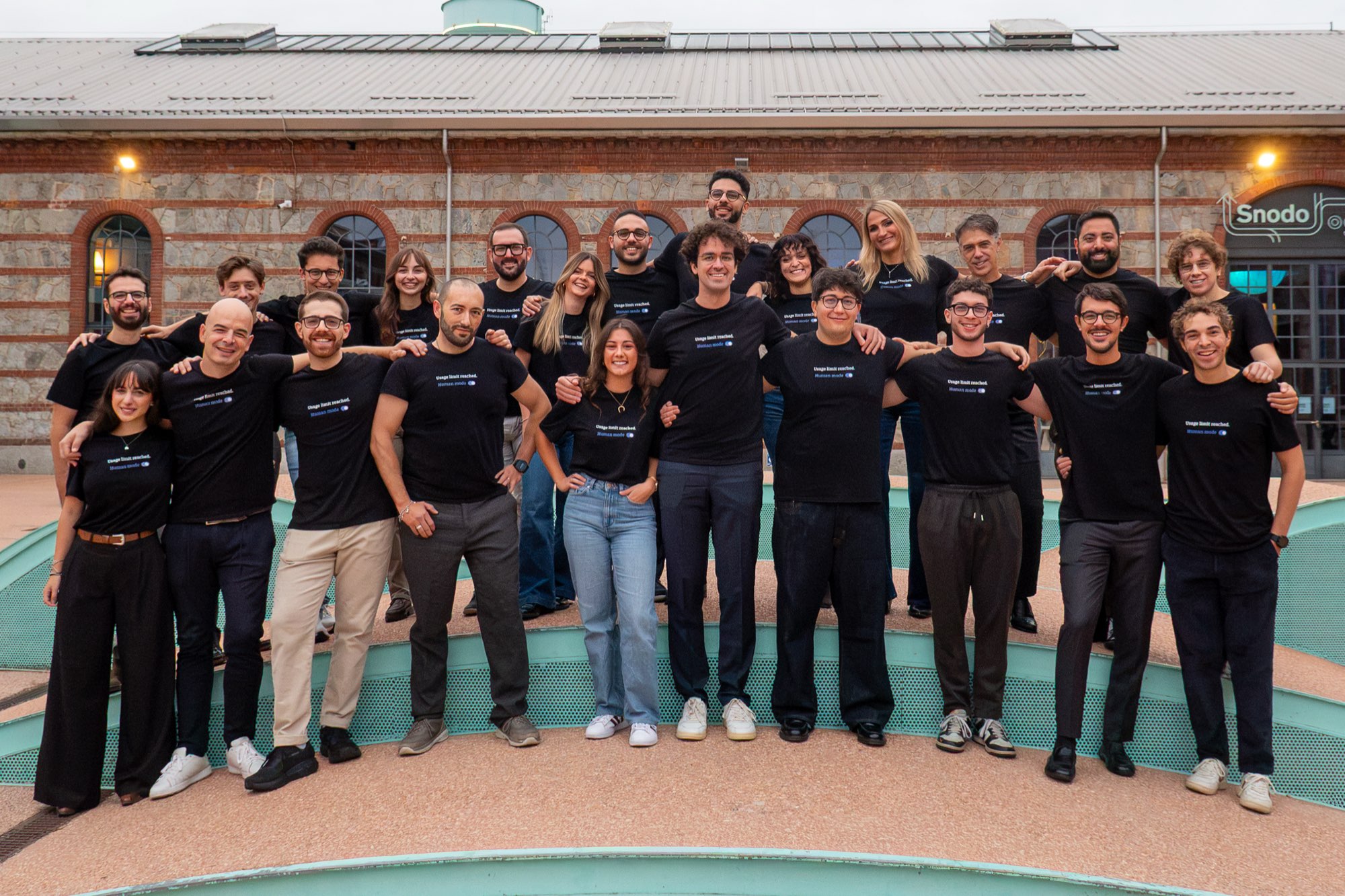
The Wibo Manifesto
Better Humans
“As machines get better at being machines, humans have to get better at being more human.”Andrew J. Scott, professor of economics at London Business School
We imagine organisations where those who lead the company, those who look after its people and those who look after its technology work together, in teams of human and artificial intelligences.
Two intelligences, one organisation.
Every company now runs on two intelligences: the human one, made of skills, behaviours and culture, and the artificial one, made of models, data and automation. For too long, two separate functions looked after them. We bring them together.
AI will not replace people.
People will be replaced by those who know how to use AI better. That is why we bring AI skills to every level of the company, not just to a few.
First we listen, then we change.
Before rethinking processes or training, we listen to the people who do the work: each person tells us how they spend their week, and that shows us where to act.
Experience is learned from those who have lived it.
Leading a team, managing change, deciding with AI at your side: these skills grow with practice and with the example of people who have already put them to the test. That is why our Executive Teachers are in the room, managers and AI experts who bring the real cases they have lived through.
Human driven, tech enabled.
Every AI Employee we build works alongside people: it prepares the work, and the decisions stay with them.
Repetitive work for machines, vision for people.
Every person becomes a manager, with AI Employees taking care of the repetitive work. People keep what really matters: setting direction, delegating, giving work its meaning, creating a vision.
Good intentions are not enough. It takes mechanisms.
Change only lasts when it becomes a habit. That is why we measure results, stay with teams after the first intervention and measure again, until the new way of working is simply the way we work.
That is why Wibo exists: to transform work together with the people who do it.